When dealing with overgrown or damaged trees, homeowners often compare tree removal vs tree trimming costs. While both services involve professional tree care, they serve different purposes and come with very different price ranges.
This guide explains the cost differences between tree removal and tree trimming, what each service includes, and how to determine which option may be appropriate for a given situation.
What Is Tree Trimming?
Tree trimming involves cutting back branches to improve a tree’s health, appearance, or safety. It does not involve removing the entire tree.
Common reasons for tree trimming include:
- Removing dead or damaged branches
- Preventing branches from contacting structures
- Improving sunlight and airflow
- Maintaining tree shape and growth
Tree trimming is considered routine maintenance and is often performed on a regular schedule.
What Is Tree Removal?
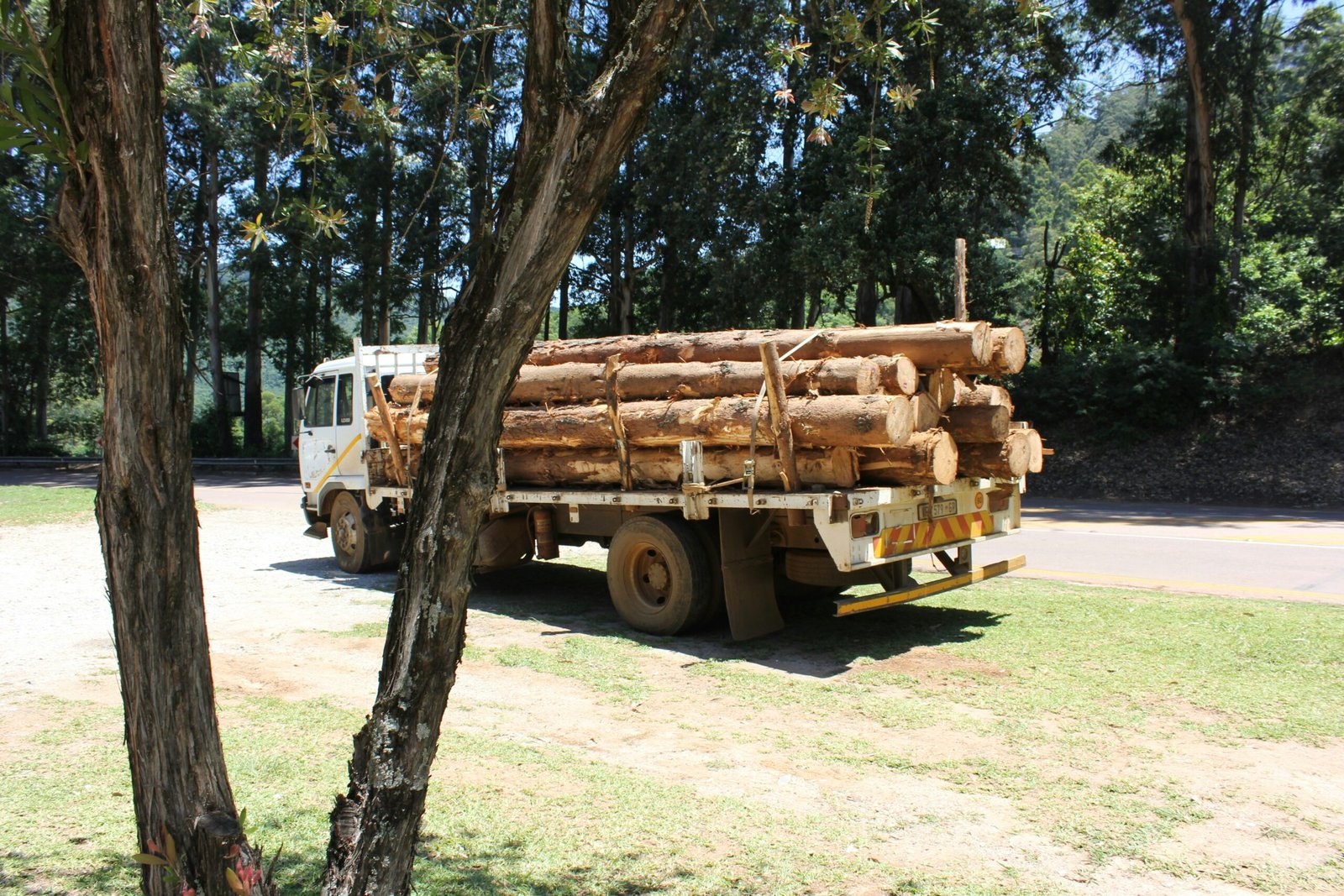
Tree removal involves cutting down and removing an entire tree, including the trunk. In many cases, stump removal is offered as an additional service.
Tree removal is usually necessary when:
- A tree is dead or dying
- A tree poses a safety hazard
- Roots are damaging foundations or utilities
- The tree is severely storm-damaged
- Space is needed for construction or landscaping
Because tree removal is more complex and risky, it is typically more expensive than trimming.
Average Tree Trimming Cost
The average tree trimming cost in the United States generally ranges from $75 to $1,000 per tree, depending on size and complexity.
Typical trimming cost ranges include:
- Small trees: $75–$300
- Medium trees: $200–$600
- Large trees: $400–$1,000
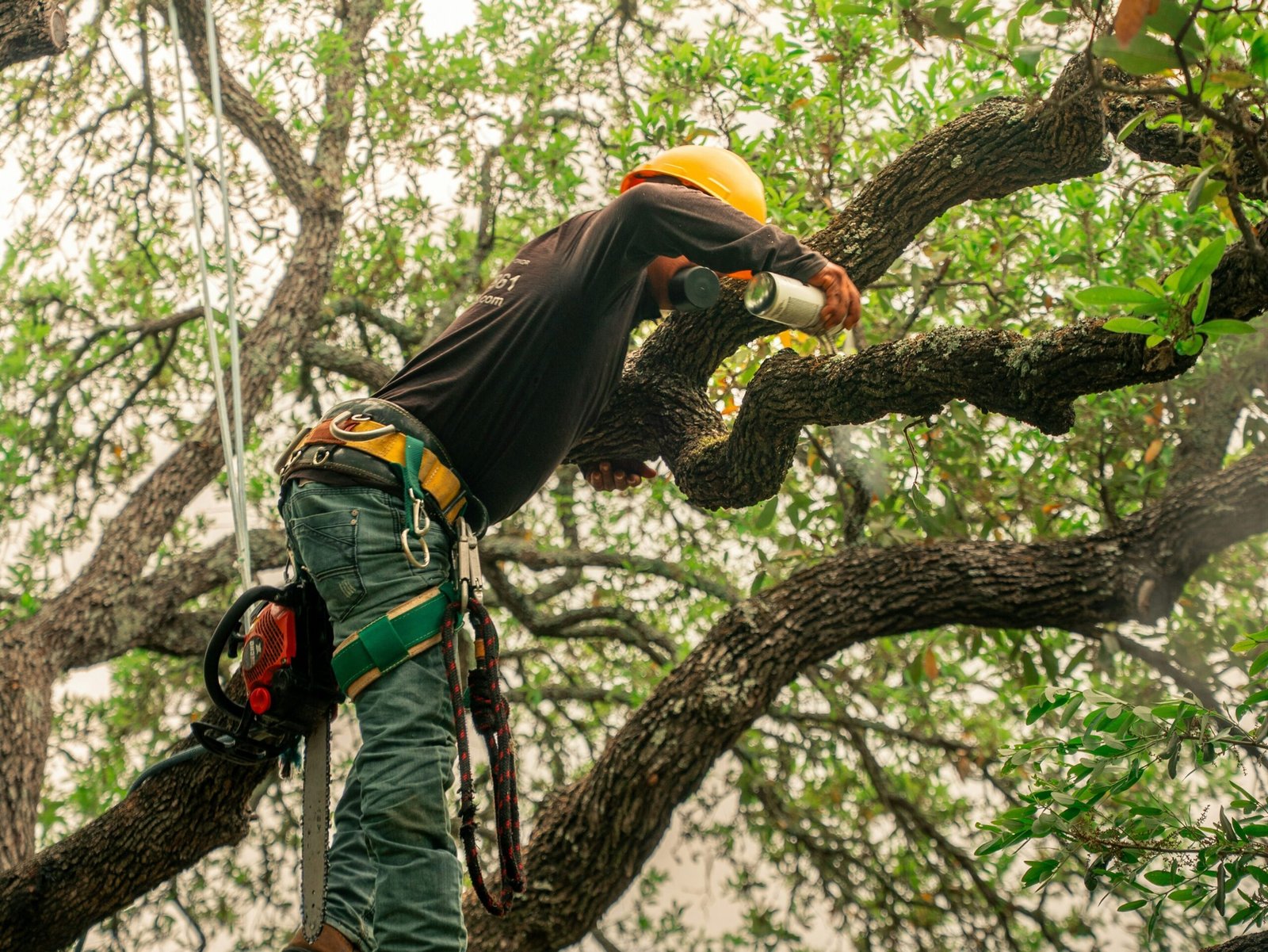
Tree trimming costs may increase for difficult access or extensive branch removal.
Average Tree Removal Cost
The average tree removal cost is significantly higher than trimming and usually ranges from $300 to $2,000 per tree.
Typical removal cost ranges include:
- Small trees: $150–$500
- Medium trees: $400–$1,200
- Large trees: $800–$2,500
- Extra-large trees: $1,500–$5,000+
These prices often exclude stump removal.
Why Tree Removal Costs More Than Trimming
Tree removal costs more for several reasons.
Increased Labor
Removing an entire tree requires more time and physical labor than trimming branches.
Safety Risks
Tree removal involves higher risk, especially for large trees or those near structures or power lines.
Specialized Equipment
Tree removal may require cranes, bucket trucks, and rigging systems.
Debris Handling
Removal generates more debris, requiring hauling, chipping, or disposal.
Tree Trimming vs Tree Removal Cost Comparison
| Service | Typical Cost Range |
| Tree Trimming | $75 – $1,000 |
| Tree Removal | $300 – $5,000+ |
The cost difference reflects the complexity and risk involved with each service.
When Tree Trimming Is the Better Option
Tree trimming may be appropriate when:
- The tree is healthy
- Only specific branches are problematic
- Preventative maintenance is needed
- The goal is aesthetic improvement
Trimming is generally recommended for maintaining tree health and preventing future hazards.
When Tree Removal Is Necessary
Tree removal may be necessary when:
- The tree is dead or diseased
- The tree is structurally unstable
- There is significant storm damage
- The tree interferes with construction or utilities
- The tree poses an immediate safety risk
In these cases, trimming alone may not resolve the issue.
How Tree Size Affects Trimming and Removal Costs
Tree size affects both trimming and removal costs.
- Larger trees have more branches to trim
- Taller trees increase labor time
- Thicker trunks increase removal difficulty
As tree size increases, the cost difference between trimming and removal also increases.
Location and Accessibility Considerations
The location of a tree plays a major role in determining costs.
Trees near:
- Homes
- Fences
- Power lines
- Driveways
require controlled cutting and additional safety measures, increasing both trimming and removal costs.
Emergency Situations and Cost Differences
Emergency services further widen the cost gap between trimming and removal.
- Emergency trimming: $300–$1,500
- Emergency removal: $800–$5,000+
Emergency situations typically involve storm damage or fallen limbs.
Insurance Coverage Differences
Insurance coverage varies between trimming and removal.
Insurance may cover:
- Removal of a tree that damages a covered structure
- Emergency removal caused by a covered event
Insurance typically does not cover:
- Routine trimming
- Preventative removal
- Cosmetic tree work
Policy details determine coverage eligibility.
Long-Term Cost Considerations
While trimming is cheaper upfront, repeated trimming over many years may eventually exceed the cost of one-time removal for problematic trees.
Homeowners may consider:
- Tree health and lifespan
- Maintenance frequency
- Safety concerns
- Property impact
Choosing Between Tree Trimming and Removal
The decision between trimming and removal depends on:
- Tree condition
- Safety risks
- Long-term maintenance costs
- Property goals
Professional assessments are often recommended for large or hazardous trees.
Summary: Tree Removal vs Tree Trimming Cost
Tree trimming is generally more affordable and suited for maintenance, while tree removal is more expensive and necessary for hazardous or unhealthy trees. Understanding the cost differences helps homeowners make informed decisions based on safety, budget, and long-term needs.