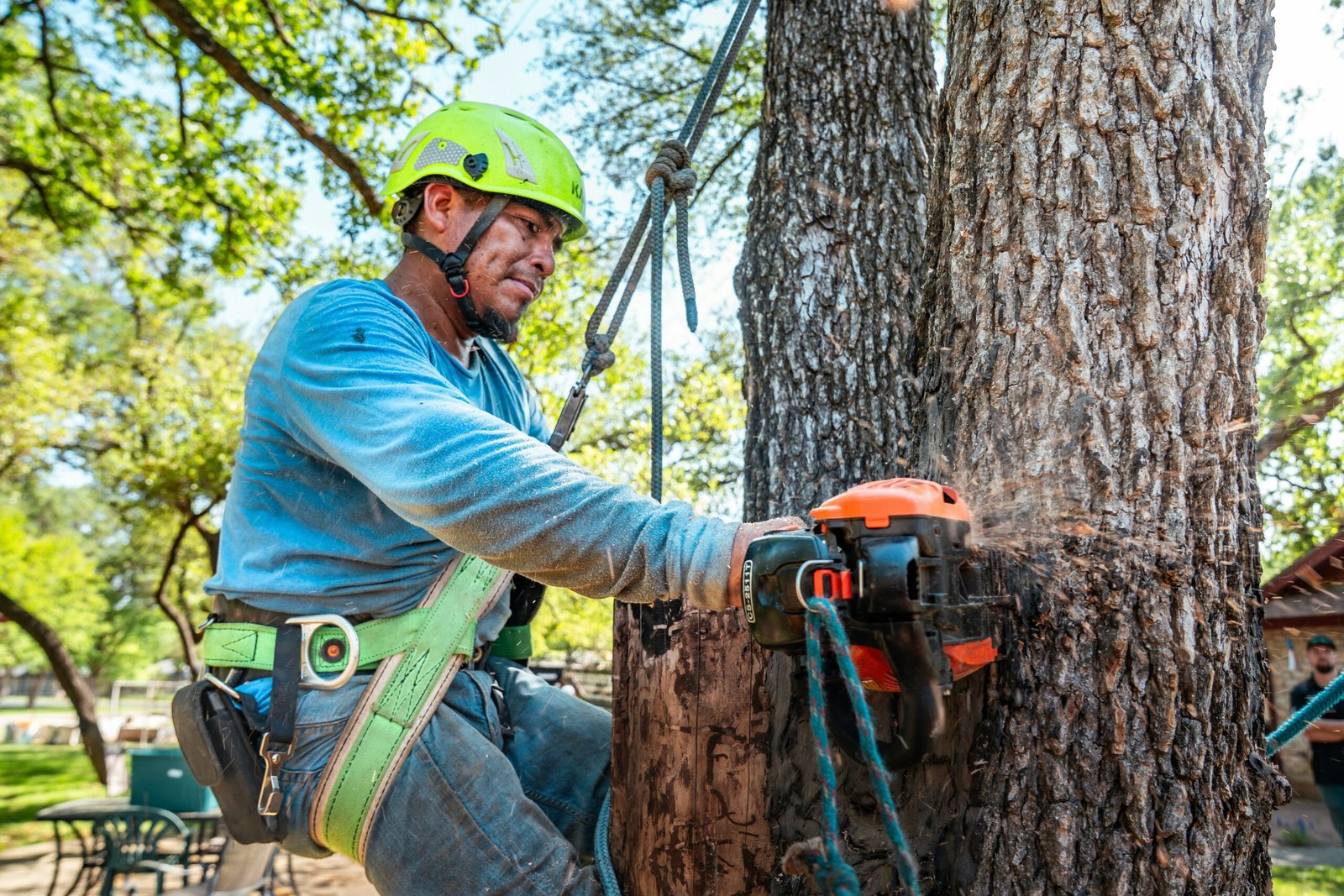
Tree removal costs can vary widely, even for trees of similar size. While homeowners often focus on tree height, several other factors play an important role in determining the final price.
This guide explains the main factors that affect tree removal cost, why each one matters, and how these variables influence pricing for residential and commercial properties.
Tree Size and Height
Tree size is one of the most significant cost factors.
- Taller trees require more labor
- Larger trees produce more debris
- Heavy branches increase safety risk
As tree height increases, removal typically becomes more time-consuming and expensive due to additional equipment and controlled cutting methods.
Tree Diameter and Trunk Thickness
Tree diameter, measured at the trunk, directly affects removal difficulty.
- Thicker trunks require more cutting time
- Larger trunks are heavier to remove
- Disposal costs increase with trunk size
A shorter tree with a very thick trunk may cost more to remove than a taller tree with a smaller diameter.
Tree Location on the Property
The location of a tree significantly impacts pricing.
Trees Near Structures
Trees close to homes, garages, fences, or sheds require careful dismantling to avoid property damage.
- Increased labor time
- More safety precautions
- Controlled section-by-section removal
Trees Near Power Lines
Trees near power lines increase risk and may require coordination with utility companies, raising costs.
Accessibility and Equipment Requirements
Easy access reduces removal costs, while limited access increases them.
Easy Access Trees
- Open yard space
- Clear drop zones
- Standard equipment access
Limited Access Trees
- Tight spaces
- Steep terrain
- Obstructed entry points
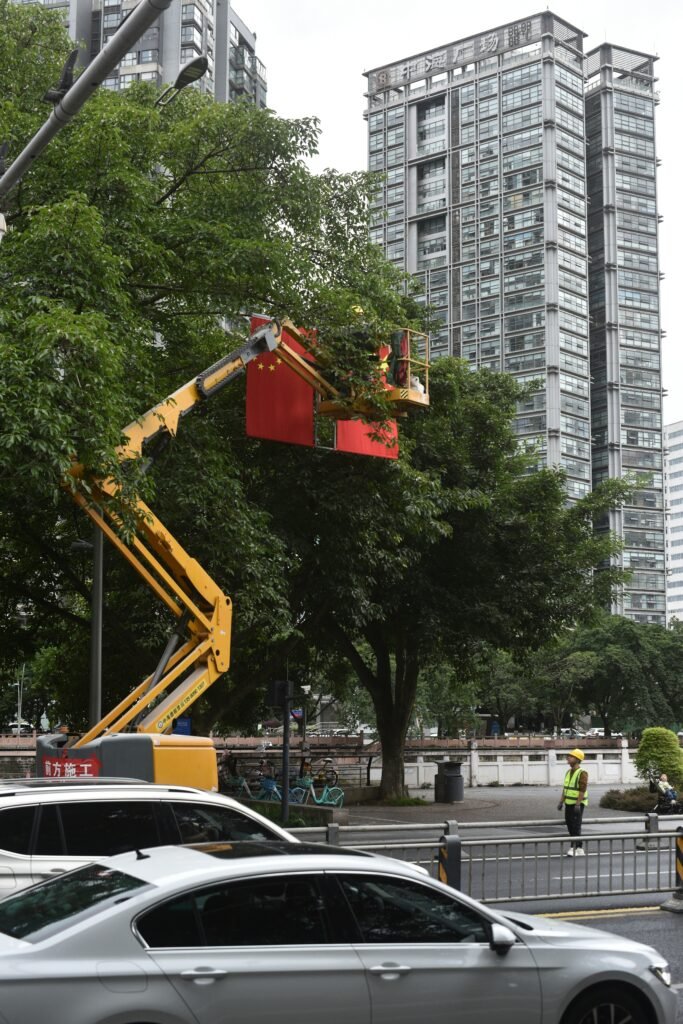
Limited access may require cranes, bucket trucks, or specialized rigging equipment.
Tree Condition and Health
The condition of the tree affects both safety and labor requirements.
Dead or Diseased Trees
Dead trees are often more brittle and unpredictable, increasing risk during removal.
- Higher safety concerns
- Slower removal process
- Increased insurance liability
Storm-Damaged Trees
Storm-damaged trees may be partially uprooted, split, or leaning, requiring emergency removal techniques.
Emergency vs Scheduled Removal
Emergency tree removal costs more than scheduled services.
- After-hours labor
- Urgent response
- Hazardous conditions
Scheduling removal in advance allows crews to work more efficiently, often resulting in lower costs.
Permits and Local Regulations
Some cities require permits for tree removal, particularly for protected or mature trees.
Permit-related costs may include:
- Application fees
- Inspection fees
- Replacement requirements
Failure to obtain required permits can result in fines or delays.
Debris Removal and Cleanup
Tree removal generates significant debris, which may or may not be included in the base price.
Debris-related costs may include:
- Branch hauling
- Wood chipping
- Log removal
- Site cleanup
Some homeowners reduce costs by keeping firewood or handling cleanup themselves.
Stump Removal and Grinding
Stump removal is often priced separately from tree removal.
Average stump removal costs:
- Small stumps: $75–$150
- Medium stumps: $150–$350
- Large stumps: $350+
Stump size, depth, and root spread all affect pricing.
Number of Trees Being Removed
Removing multiple trees during one visit may reduce the per-tree cost.
- Shared equipment setup
- Reduced travel time
- Efficient labor use
However, total costs will still increase with each additional tree.
Residential vs Commercial Properties
Commercial tree removal often costs more due to:
- Larger tree sizes
- Stricter safety requirements
- Traffic control needs
- Additional insurance coverage
Commercial jobs may also require coordination with local authorities.
Seasonal Demand and Timing
Tree removal costs can fluctuate based on demand.
- Storm seasons increase prices
- Emergency demand raises rates
- Off-season scheduling may reduce costs
Scheduling removal during lower-demand periods may result in savings.
Geographic Location
Pricing varies by region due to:
- Labor costs
- Disposal fees
- Permit requirements
- Local regulations
Urban areas often have higher removal costs than rural areas.
Insurance and Liability Considerations
Tree removal companies factor insurance and liability into pricing.
- High-risk removals increase insurance exposure
- Larger trees carry greater liability
- Complex jobs require higher coverage
These factors are reflected in final estimates.
How Homeowners Can Anticipate Tree Removal Costs
To better anticipate costs, homeowners should:
- Identify tree size and condition
- Note nearby structures or hazards
- Consider accessibility
- Determine if emergency service is required
Professional estimates provide the most accurate pricing.
Summary: What Affects Tree Removal Cost
Tree removal costs are influenced by many factors, including size, location, condition, accessibility, and timing. Understanding these variables helps homeowners plan more effectively and avoid unexpected expenses.
Professional tree removal is recommended for safety and compliance with local regulations.