Tree height is one of the biggest factors that determines how much tree removal costs. Taller trees require more labor, specialized equipment, and safety precautions, which can significantly increase the total price.
This guide explains tree removal cost by height, including average price ranges, why taller trees cost more, and what homeowners should know when estimating removal expenses.
Why Tree Height Affects Tree Removal Cost
Tree removal becomes more complex as height increases. Taller trees are heavier, harder to control, and often located near structures, power lines, or neighboring properties.
As tree height increases, so does:
- Labor time
- Equipment requirements
- Safety risk
- Cleanup complexity
Because of these factors, professional tree services typically price removals based on height categories.
Small Tree Removal Cost (Under 30 Feet)
Small trees are usually the least expensive to remove. These may include young trees, ornamental species, or smaller landscaping trees.
Average Cost for Small Tree Removal
- $150 to $500 per tree
Why Small Trees Cost Less
- Easier access
- Minimal equipment required
- Shorter removal time
- Lower safety risk
In many cases, small trees can be removed in a single visit without specialized machinery.
Medium Tree Removal Cost (30–60 Feet)
Medium-height trees are common in residential areas and often require controlled cutting techniques.
Average Cost for Medium Tree Removal
- $400 to $1,200 per tree
Factors That Increase Cost
- Proximity to homes or fences
- Need for sectional removal
- Increased debris volume
Medium trees often require professional climbing, ropes, and rigging to safely remove sections without damaging nearby structures.
Large Tree Removal Cost (60–80 Feet)
Large trees present significant challenges due to their size and weight. Removing them safely requires advanced planning and equipment.
Average Cost for Large Tree Removal
- $800 to $2,500 per tree
Why Large Trees Cost More
- Increased labor hours
- Specialized safety equipment
- Heavier branches and trunk sections
- Higher risk of property damage
Large tree removals are typically handled by experienced crews using bucket trucks or cranes.

Extra-Large Tree Removal Cost (Over 80 Feet)
Extra-large trees are the most expensive to remove and often require cranes or other heavy machinery.
Average Cost for Extra-Large Tree Removal
- $1,500 to $5,000 or more
Common Challenges
- Limited drop zones
- Extensive rigging
- Long removal time
- Increased insurance and liability risk
Trees of this size are usually removed in multiple stages over several hours or even multiple days.
Tree Removal Cost by Height and Diameter
Height alone does not determine pricing. Tree diameter, measured at the trunk, also plays an important role.
- Taller trees often have thicker trunks
- Thicker trunks require more cutting time
- Larger diameter trees produce more debris
A tall tree with a narrow trunk may cost less to remove than a shorter tree with a very thick trunk.
How Tree Location Impacts Cost by Height
The location of a tree can significantly increase removal costs, especially for taller trees.
Trees Near Structures
- Homes
- Garages
- Sheds
- Fences
Taller trees near structures must be dismantled piece by piece, increasing labor time.
Trees Near Power Lines
Trees close to power lines often require coordination with utility companies and additional safety precautions.
Emergency Tree Removal and Height-Based Pricing
Emergency tree removal costs increase with tree height due to higher risk and urgency.
- Taller trees are more likely to cause damage when they fall
- Emergency services often involve after-hours work
- Storm-damaged trees are more unpredictable
Emergency removal of tall trees may exceed standard pricing ranges.
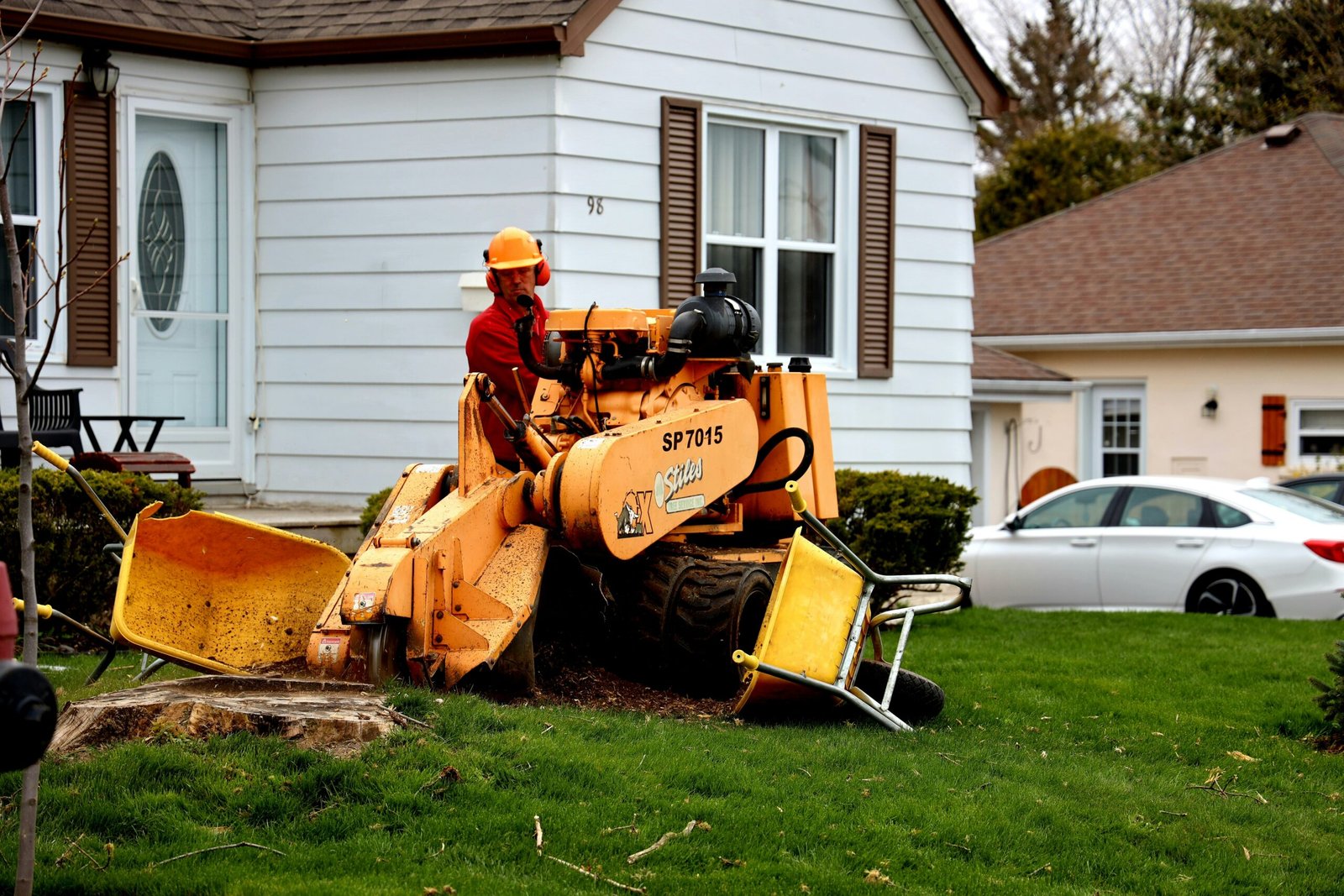
Stump Removal Costs by Tree Height
Tree height often correlates with stump size.
Average Stump Removal Costs
- Small stumps: $75–$150
- Medium stumps: $150–$350
- Large stumps: $350 or more
Stump removal is usually priced separately from tree removal.
Residential vs Commercial Tree Height Pricing
Commercial properties often have taller and more mature trees, which can increase costs.
- Residential tall tree removal: $800–$3,000
- Commercial tall tree removal: $1,500–$5,000+
Commercial jobs may also require permits, traffic control, or additional crew members.
Does Insurance Consider Tree Height?
Insurance coverage for tree removal does not typically depend on height alone. Coverage is usually based on:
- Cause of damage
- Whether a structure was impacted
- Policy terms
Taller trees may be more likely to cause insured damage, but preventative removal is usually not covered.
How Homeowners Can Estimate Tree Removal Costs by Height
To estimate costs more accurately:
- Measure approximate tree height
- Note nearby structures or obstacles
- Consider accessibility for equipment
- Determine if emergency removal is needed
Professional estimates are recommended for large or tall trees.
Summary: Tree Removal Cost by Height
Tree height is a major factor in determining removal cost. As trees get taller, removal becomes more complex, time-consuming, and expensive. Understanding how height affects pricing helps homeowners budget effectively and plan for professional tree removal services when needed.